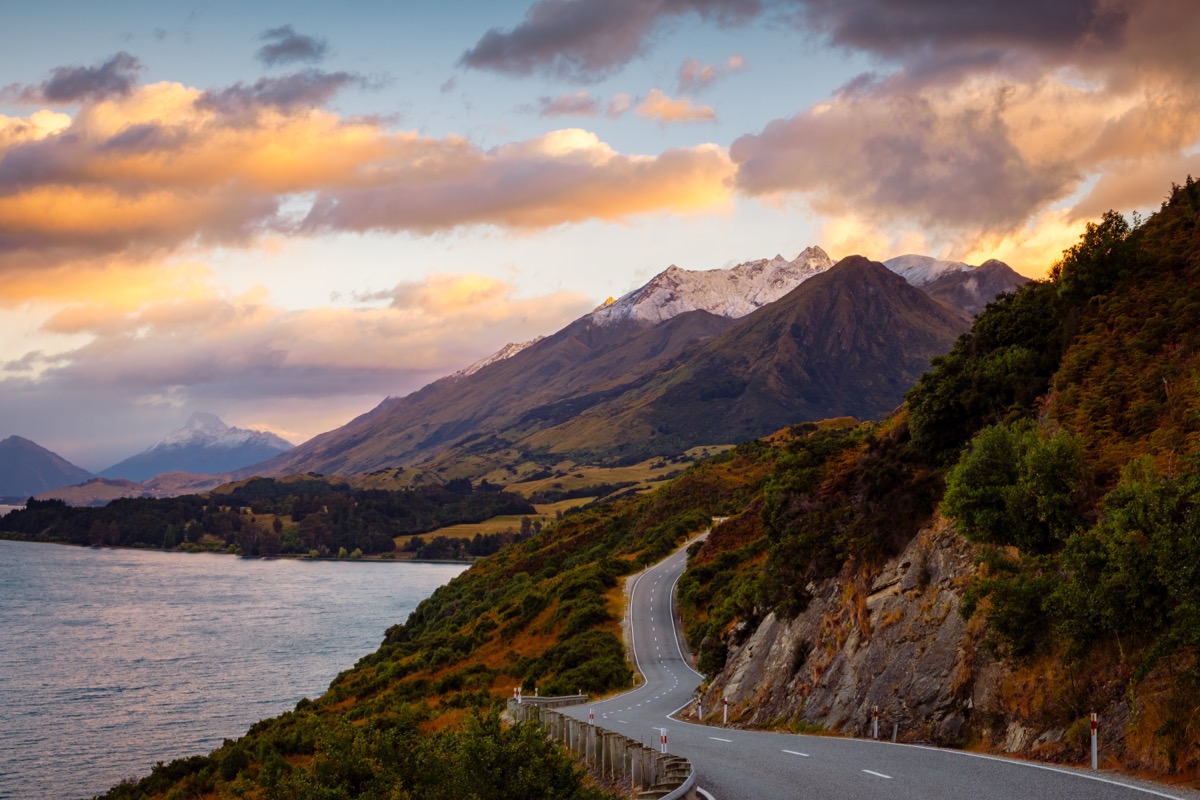
Leyland CLUBMAN 1100
20 registered in New Zealand · 1975–1979 · 100% from Not Known
The Leyland CLUBMAN 1100 is a recognisable name on New Zealand roads, with 20 registered across model years 1975 to 1979. Most are petrol-powered saloons with a 1.1L engine.
Below you'll find a complete breakdown of fuel types, body styles, drivetrain options, regional distribution, and estimated running costs. Select a specific model year to see detailed specs, buyer insights, and variant-level data for that generation of the CLUBMAN 1100.
Fuel Types
Leyland CLUBMAN 1100 fuel type breakdown: PETROL 100%.
Drivetrain
Engine Size
Leyland CLUBMAN 1100 engine sizes: 1.1L 75%, 1.1L 10%, 1.3L 10%, 1.0L 5%.
Imported From
Leyland CLUBMAN 1100 imported from: Not Known 100%.
Colours
Colours shown are approximate representations of NZTA basic colour categories, not exact manufacturer paint codes.
Where They Are in NZ
Leyland CLUBMAN 1100 regional distribution: AUCKLAND: 4, HAURAKI: 2, WELLINGTON: 2, CHRISTCHURCH: 2, PALMERSTON NORTH: 1.
Body Types

Similar Cars
1

Leyland CLUBMAN 1100 For Sale
+ List YoursLoading listings...
Frequently Asked Questions
How many Leyland CLUBMAN 1100 are there in New Zealand?
There are 20 Leyland CLUBMAN 1100 vehicles registered in New Zealand as of March 2026, making up 0% of the total passenger fleet. Model years range from 1975 to 1979.
What body type is the Leyland CLUBMAN 1100?
The Leyland CLUBMAN 1100 is primarily classified as a saloon in the NZTA fleet register. The most common fuel type is petrol.
Are Leyland CLUBMAN 1100 cars imported or NZ-new?
100% of Leyland CLUBMAN 1100 vehicles in New Zealand originated from Not Known. The majority arrived as used imports, which is typical for this model. Check the import status and origin country for the specific year you're considering on the individual year pages.